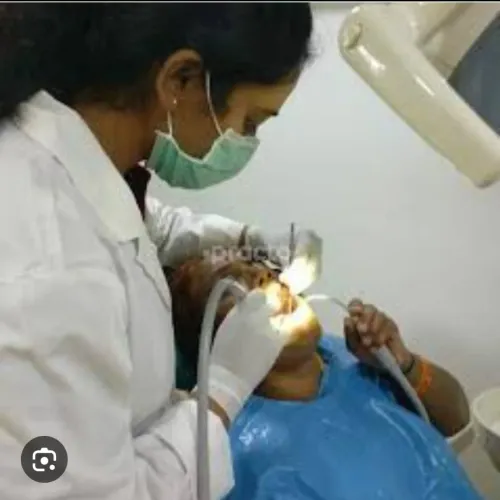

After a dental extraction or oral surgery, dentists usually advise avoiding alcohol and smoking for several days. This is mainly to protect the blood clot and healing process in the socket. Here are the key reasons:
🩸 1. Risk of “Dry Socket”
After a tooth is removed, a blood clot forms in the empty socket. This clot protects the bone and nerves underneath.
Smoking or sucking actions (like inhaling from a cigarette) can dislodge the clot.
If the clot comes out too early, it causes Dry Socket.
Symptoms of dry socket:
Severe throbbing pain
Bad taste or smell
Exposed bone
Delayed healing
Smoking increases dry socket risk 3–4 times.
🚬 2. Smoking Reduces Blood Supply
Nicotine causes blood vessels to constrict.
Effects:
Less oxygen reaches the surgical site
Slower tissue repair
Higher risk of infection
Longer healing time
Heat and toxins from smoke also irritate the wound.
🍺 3. Alcohol Interferes With Healing
Drinking alcohol after dental surgery can:
Dissolve or disturb the blood clot
Increase bleeding
Slow tissue healing
Increase infection risk
Alcohol can also interact badly with medications such as:
antibiotics
painkillers
💊 4. Medication Interactions
After surgery, dentists often prescribe drugs like:
antibiotics
anti-inflammatory medicines
painkillers
Alcohol may:
reduce the effectiveness
increase side effects like dizziness or stomach irritation
⏱️ How Long to Avoid Them
Most dentists recommend:
Smoking: Avoid for at least 72 hours (preferably 5–7 days).
Alcohol: Avoid for 24–72 hours, or until medications are finished.
Keywords