
Home teeth bleaching can work, but it’s easy to overdo it or damage your enamel if you go in blind. The safe approach is to stick to mild, proven methods and avoid anything abrasive or overly acidic.
What actually works at home
1. Whitening toothpaste (daily use)
Contains mild abrasives and sometimes peroxide
Helps remove surface stains (coffee, tea, smoking)
Won’t dramatically change natural tooth color, but good for maintenance
2. Over-the-counter whitening strips/gels
Usually contain low concentrations of hydrogen peroxide or carbamide peroxide
Used daily for 1–2 weeks
Noticeable results if used correctly
Follow instructions strictly to avoid gum irritation
3. Custom trays (dentist-supervised, but used at home)
A dentist provides trays + bleaching gel
More effective and safer than generic kits
Slower than in-clinic bleaching but gives solid results
Activated charcoal
Trendy but not well-supported scientifically
Abrasive → may damage enamel over time
Lemon + salt / vinegar
Don’t use this
Acid erodes enamel → long-term damage
Oil pulling (coconut oil)
May improve oral hygiene
Does NOT significantly whiten teeth
Safety tips (important)
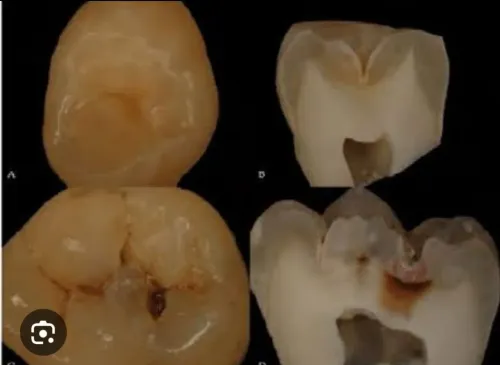
Don’t bleach if you have cavities, gum disease, or exposed roots
Avoid if you already have strong tooth sensitivity
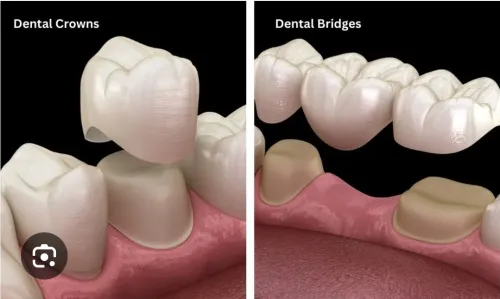
Results vary—crowns, fillings, and veneers won’t whiten
Overuse can cause:
Tooth sensitivity
Gum irritation
Enamel damage
Realistic expectations
Home bleaching can lighten teeth by a few shades
It won’t give the ultra-white “celebrity” look—that usually requires professional treatment
Keywords