
Stress can have a significant impact on dental and oral health. Here’s a clear, easy-to-understand overview of how stress affects your mouth:
1. Teeth Grinding (Bruxism)
Stress often leads to clenching or grinding teeth, especially during sleep. This can cause:
Worn-down or chipped teeth
Jaw pain or TMJ disorders
Headaches
Tooth sensitivity
2. Gum Disease
Stress weakens the immune system, making it easier for bacteria to cause inflammation. This increases the risk of:
Gingivitis (early gum disease)
Periodontitis (advanced gum disease)
Slower healing after dental procedures
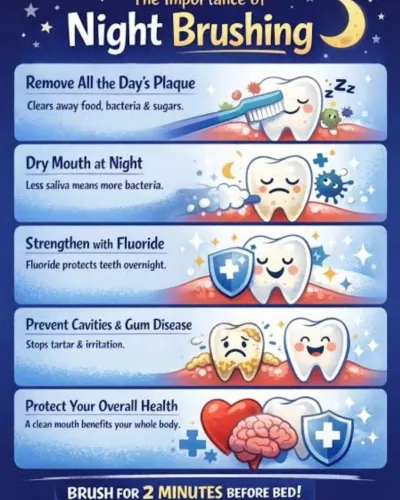
3. Dry Mouth
High stress levels can reduce saliva flow. Dry mouth can lead to:
Increased cavities
Bad breath
Difficulty chewing or swallowing
4. Canker Sores
Stress is a common trigger for mouth ulcers. These are harmless but painful and can make eating uncomfortable.
5. Poor Oral Hygiene Habits
When stressed, people may:
Skip brushing or flossing
Snack on sugary foods
Smoke or drink more alcohol
These habits worsen dental health.
6. Weakened Immune Response
Stress hormones like cortisol can slow down the body's ability to fight infections, making oral infections more likely.
How to Protect Your Dental Health During Stress
Practice relaxation techniques (breathing, yoga, meditation)
Use a night guard if you grind your teeth
Maintain good oral hygiene
Stay hydrated
Reduce caffeine and alcohol
Keywords