
Pregnancy and Dental Care: A Comprehensive Guide
Taking care of your teeth and gums is especially important during pregnancy. Hormonal changes can increase the risk of dental problems, and poor oral health has been linked to complications such as preterm birth and low birth weight.
Why Dental Care Matters During Pregnancy
Hormonal Changes
Pregnancy hormones can make gums more sensitive, swollen, and prone to bleeding—a condition known as pregnancy gingivitis.
Increased Risk of Periodontal Disease
Untreated gum disease can lead to periodontitis, a more serious infection that may affect the health of the baby.
Morning Sickness and Tooth Erosion
Frequent vomiting can expose teeth to stomach acids, which wear down enamel.
Changes in Diet
Cravings and frequent snacking can increase the risk of cavities.
Safe Dental Practices During Pregnancy
✔️ Routine Dental Care:
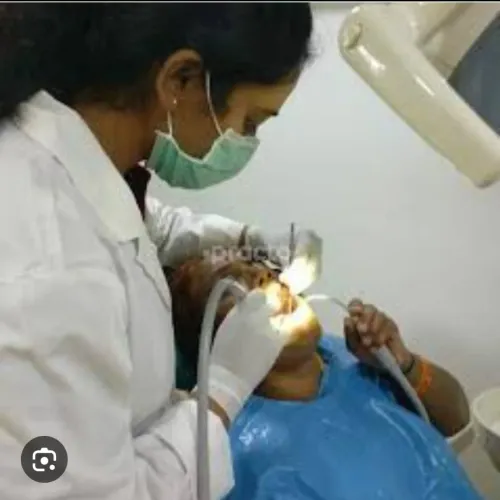
Cleanings and checkups are safe and encouraged.
Let your dentist know you are pregnant.
✔️ Best Time for Dental Work:
The second trimester (weeks 13–27) is the safest for non-emergency dental procedures.
Emergency procedures (e.g., extractions, root canals) can be done any time if necessary.
✔️ X-rays:
Dental X-rays are generally safe during pregnancy with proper shielding.
However, elective X-rays are usually postponed.
✔️ Medications:
Local anesthetics like lidocaine are safe.
Your dentist will avoid medications that could harm the baby and may consult your OB/GYN.
Tips for Good Oral Health During Pregnancy
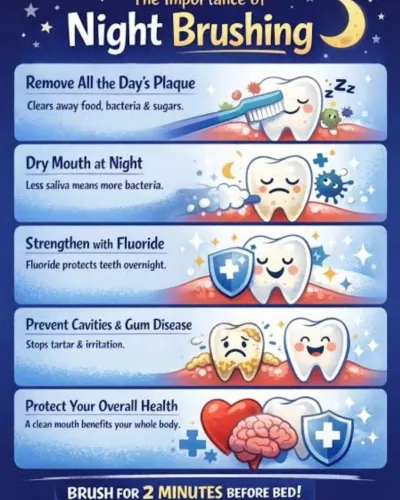
Brush twice a day with fluoride toothpaste.
Floss daily to remove plaque and reduce gum inflammation.
Rinse your mouth with water or baking soda solution (1 tsp baking soda in a cup of water) after vomiting to protect enamel.
Maintain a balanced diet low in sugar and rich in calcium, vitamin D, and folic acid.
Avoid skipping dental visits—preventive care is essential.
When to See a Dentist Immediately
Call your dentist if you notice:
Persistent bad breath
Swollen or bleeding gums
Loose teeth
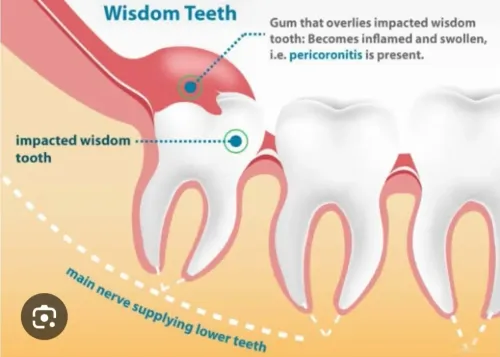
Toothache or facial swelling
Keywords