
Why Cold Weather Can Increase Tooth Sensitivity
1. Contraction of Tooth Materials
Teeth are made up of different materials (enamel, dentin, pulp) that expand and contract at different rates when exposed to temperature changes.
In cold weather, these materials contract, which can:
Cause microscopic cracks in the enamel.
Expose the underlying dentin (which contains tubules leading to the nerve), making the tooth more sensitive.
2. Receding Gums
Cold air can dry out the gums or aggravate gum issues.
Gum recession exposes the root surface of the tooth (cementum), which is much more sensitive to temperature changes.
3. Increased Air Intake Over Teeth
Breathing through your mouth in cold weather exposes teeth directly to cold air, especially the front teeth, which are more sensitive to airflow.
4. Existing Dental Issues Are Aggravated
Cold sensitivity may highlight:
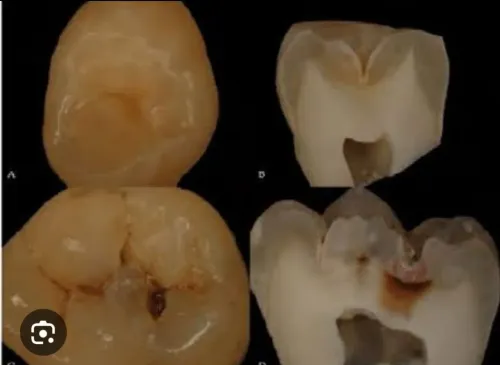
Tooth decay
Worn enamel
Cracked teeth
Leaky fillings
Exposed roots
Gum disease
These issues can make teeth more reactive to cold air or drinks.
❄️ Cold Sensitivity vs. Other Tooth Pain
Short, sharp pain to cold that disappears quickly usually points to dentin hypersensitivity.
Lingering pain after exposure to cold may suggest a deeper nerve problem, like pulpitis (inflammation of the tooth pulp), and should be evaluated by a dentist.
✅ How to Manage or Reduce Cold-Induced Tooth Sensitivity
Use a desensitizing toothpaste
Brands like Sensodyne or Colgate Sensitive contain ingredients like potassium nitrate or stannous fluoride that block nerve signals.
Avoid aggressive brushing
Use a soft-bristled toothbrush and avoid brushing too hard to prevent enamel wear and gum recession.
Switch to lukewarm water
For drinking or brushing to reduce cold stimulation.
Breathe through your nose in cold weather
Minimizes direct exposure of teeth to cold air.
Wear a scarf or mask outside
Helps warm the air before it enters your mouth.
See a dentist for proper diagnosis
Especially if the sensitivity is new, worsening, or affecting your daily life.
Keywords