Candidiasis in children is a fungal infection caused by Candida yeast, most commonly Candida albicans. Candida normally lives on the skin and in the mouth, digestive tract, and genital area, but it can overgrow under certain conditions.
Common types in children
Oral thrush
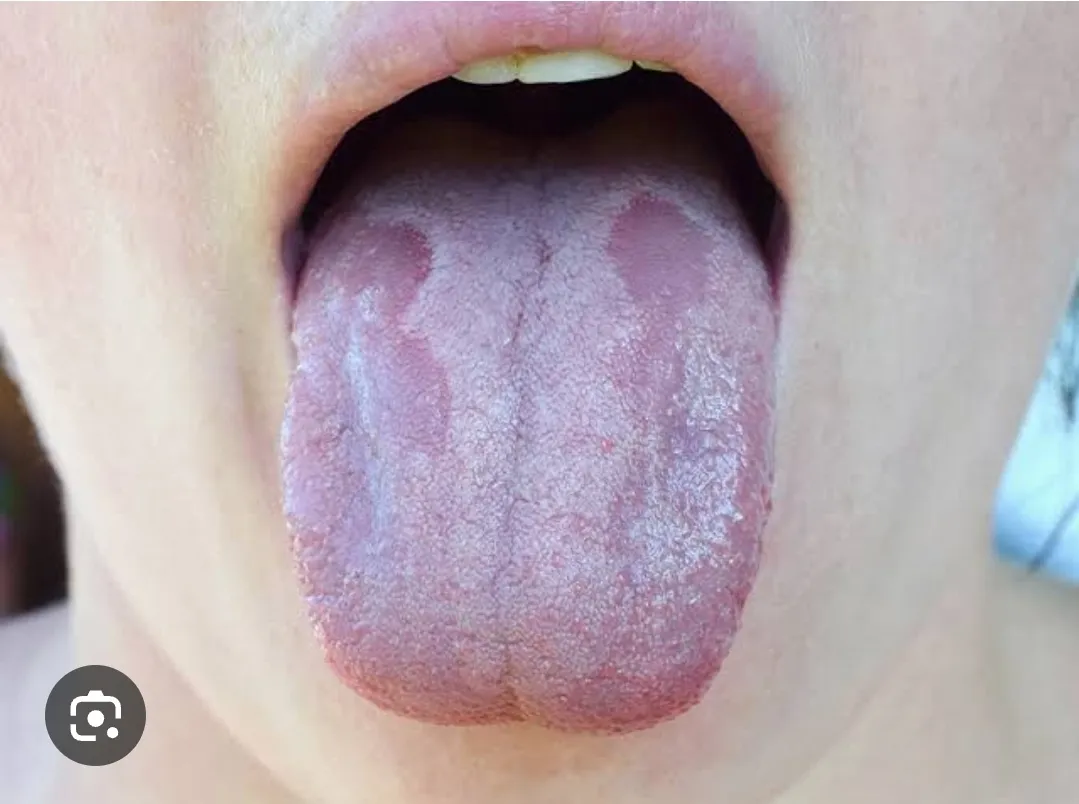
White, creamy patches on the tongue, inner cheeks, gums, or roof of the mouth
Patches may be difficult to wipe away and can leave a red area underneath
Babies may become fussy or feed poorly
Diaper candidiasis (yeast diaper rash)
Bright red rash in the diaper area
Small red "satellite" spots around the main rash
Often persists despite routine diaper-rash treatments
Skin candidiasis
Red, moist rash in skin folds (neck, armpits, groin)
Common in warm, moist areas
Vaginal candidiasis
More common in older girls, especially after antibiotic use
Itching, redness, and sometimes a thick white discharge
Risk factors
Recent antibiotic use
Infancy (especially newborns)
Frequent moisture exposure (e.g., prolonged diaper use)
Weakened immune system
Diabetes
Use of inhaled corticosteroids without rinsing the mouth afterward
Treatment
Treatment depends on the location and severity:
Oral thrush: antifungal medicines such as Nystatin or Fluconazole when prescribed by a clinician.
Diaper candidiasis: antifungal creams such as Clotrimazole or Miconazole, along with frequent diaper changes and keeping the area dry.
Skin infections: topical antifungal creams or powders as advised by a healthcare professional.
Keywords