
Effect of Teeth on Swimmers’ Performance
Your teeth—and more broadly, your oral health—can significantly influence your performance as a swimmer. Here’s how:
1. Breathing Efficiency
Swimmers often breathe with the mouth open.
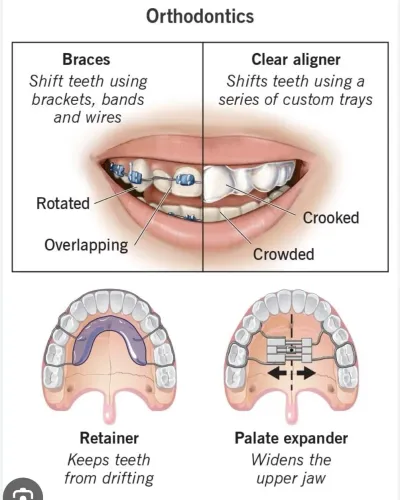
Malocclusion (misaligned teeth or jaw) can affect the shape of the oral cavity and influence airflow.
Poor jaw alignment may make it harder to maintain efficient breathing patterns during sprints or long-distance swimming.
2. Hydrodynamics and Jaw Position
Though teeth themselves don’t create drag, jaw alignment influences head and neck posture.
A correct bite supports better posture in the water.
Misalignment can cause subtle tension changes in neck and shoulder muscles, which affects stroke efficiency.
3. Oral Health and Overall Athletic Performance
Inflammation or infection in the mouth impacts the whole body:
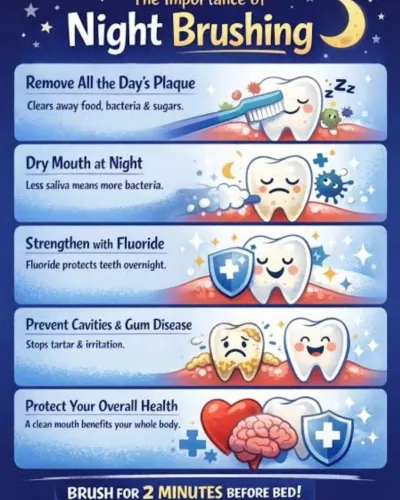
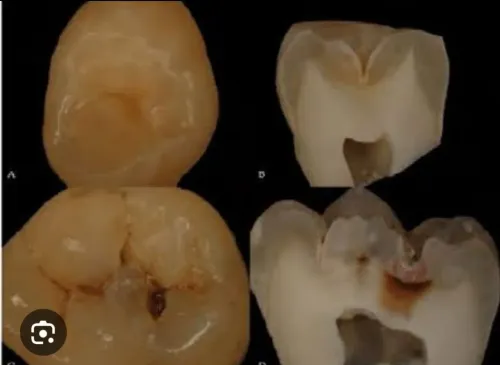
Gum disease and cavities can create systemic inflammation, lowering energy levels and recovery.
Chronic oral infections have been linked with reduced endurance and slower healing.
4. Risk of “Swimmer’s Teeth”
Chlorinated pools can contribute to dental problems:
Enamel erosion from frequent exposure to slightly acidic chlorinated water.
Tooth sensitivity from enamel loss.
Brownish tartar deposits (swimmer’s calculus) from mineral changes in the pool water.
These issues can make eating, clenching, or training uncomfortable.
5. Mouthguards
Many swimmers who grind their teeth (often due to stress or overtraining) benefit from a mouthguard outside the pool.
Reduces TMJ pain (jaw joint pain)
Improves rest and recovery
Protects enamel
Swimmers usually don’t wear mouthguards while swimming, but jaw health still matters.
6. Performance Impact via Jaw Clenching
Some athletes clench their teeth to generate power (a phenomenon called remote voluntary contraction).
If a swimmer clenches too much, it can lead to jaw fatigue or headaches that reduce performance.
7. Nutrition and Teeth
Swimmers often consume:
Sports drinks
Gels
Sugary carbs
These increase the risk of cavities and erosion, especially combined with chlorinated water exposure.
Keywords