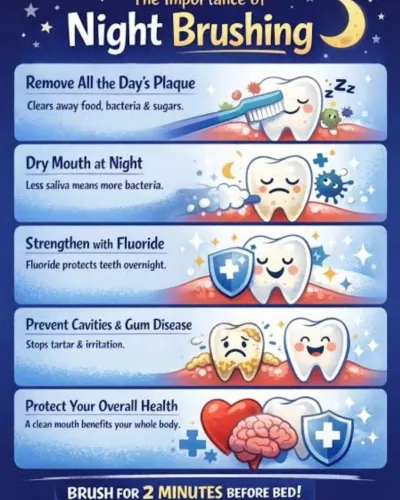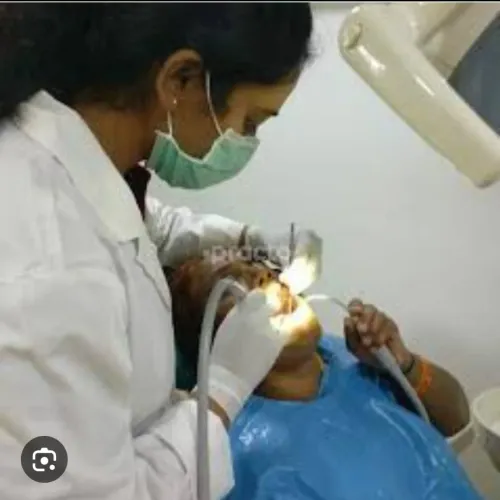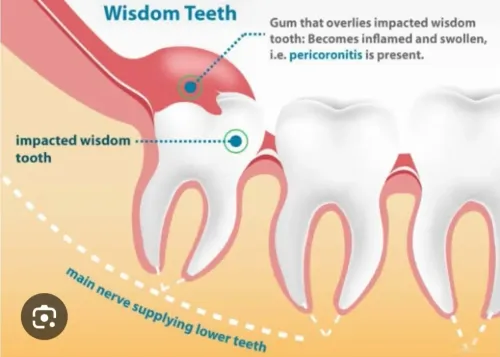
Dental treatment during pregnancy is safe and highly recommended, as maternal oral health directly impacts both the mother and the developing baby. Untreated dental infections or severe gum disease are linked to pregnancy complications like premature birth and low birth weight.While routine care can be done at any point, timing specific interventions by trimester ensures maximum comfort and safety.
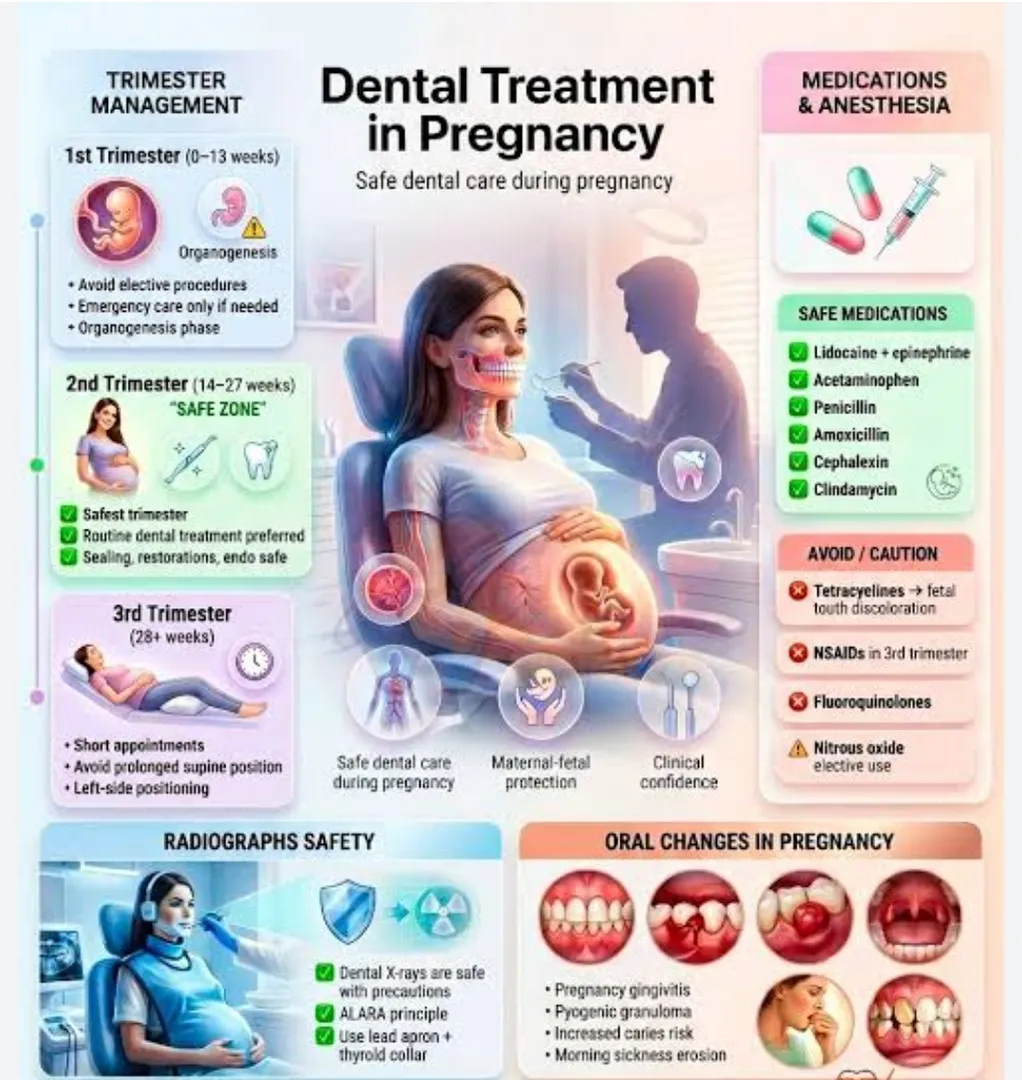
Pregnancy Dental Treatment TimelineStage of PregnancySafety LevelRecommended Dental TreatmentsFocus & Special PrecautionsFirst Trimester(Weeks 1–13)
Safe for Routine CareEmergency treatments, routine cleanings, visual oral exams.Prevention phase. Avoid elective treatments due to fetal organ development and morning sickness.Second Trimester(Weeks 14–27)
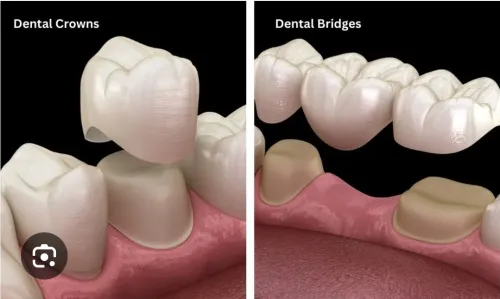
Ideal TimeFillings, root canals, deep cleanings, crowns, extractions.Active treatment phase. This is the most stable and comfortable period for dental procedures.Third Trimester(Weeks 28–Birth)
Safe for Routine CareEmergency procedures, routine cleanings.Comfort phase. Avoid long procedures. Keep appointments short; tilt the mother slightly to the left to avoid vena cava compression.
Safety Guidelines for Key Dental ProceduresDental X-Rays: Completely safe when necessary. Modern digital X-rays emit minimal radiation. Doctors use a leaded apron and thyroid collar to fully protect both the abdomen and the thyroid gland.Local Anesthesia: Safe during pregnancy. Lidocaine is the most common anesthetic used; it safely crosses the placenta but causes no harm when administered in standard dental doses.
Medications Pain Relief: Acetaminophen (Paracetamol) is generally preferred. Avoid NSAIDs like ibuprofen, especially in the third trimester.Antibiotics: Penicillin, amoxicillin, and clindamycin are safe. Tetracycline and doxycycline must be avoided as they can stain the baby's developing teeth.
Keywords